
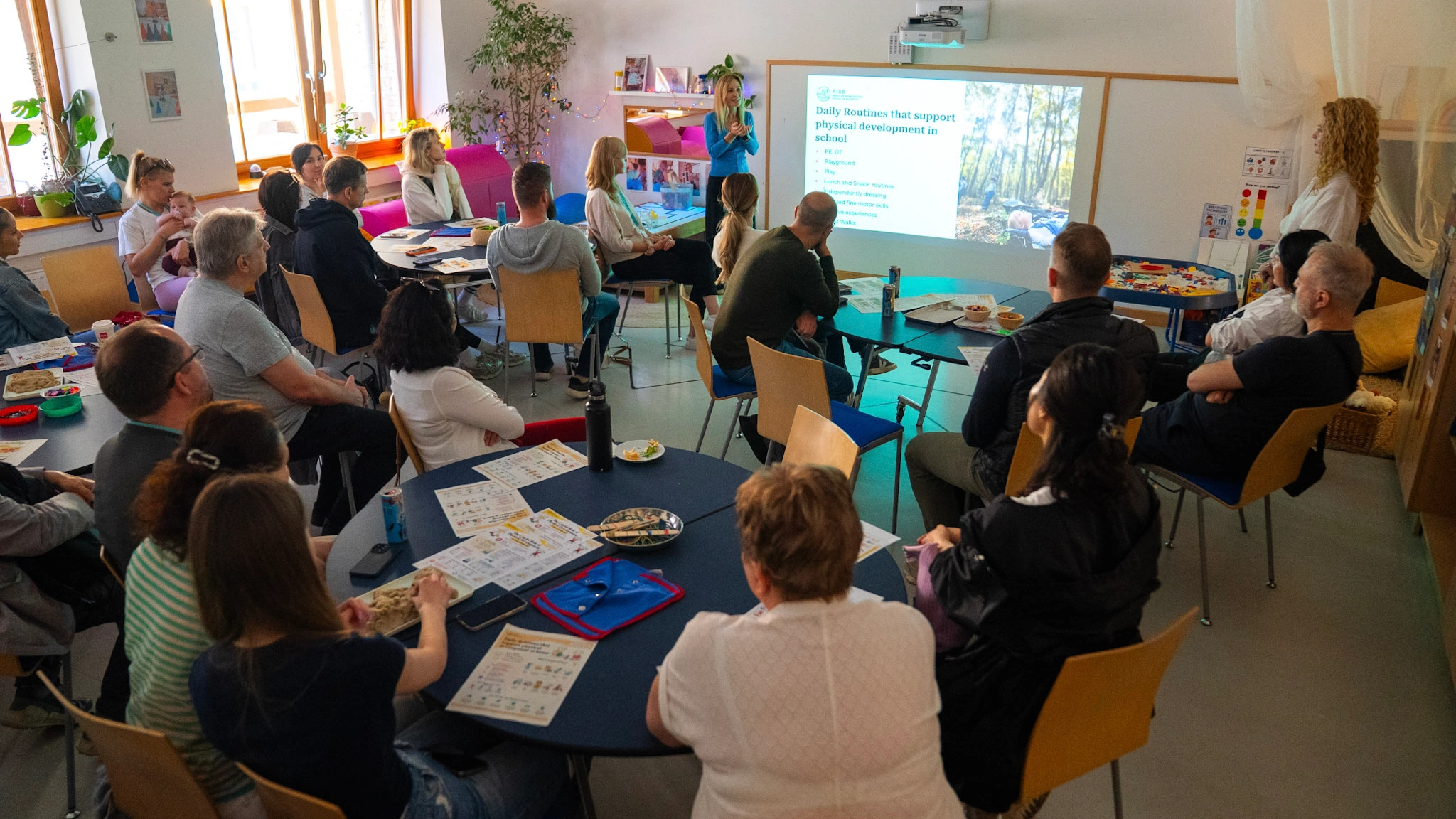
Parenting unfolds as an evolving practice rather than a rigid checklist. Over three weeks, parents from both our school community and neighboring areas gathered for the Empowered Parenting Toolkit series. Alongside educators, participants explored the intersections of neurodevelopmental science and thoughtful, child-led approaches to supporting a child's growth. This summary offers a brief look at the core themes and practical pathways discussed during the sessions.
The Foundation: Early Brain Architecture
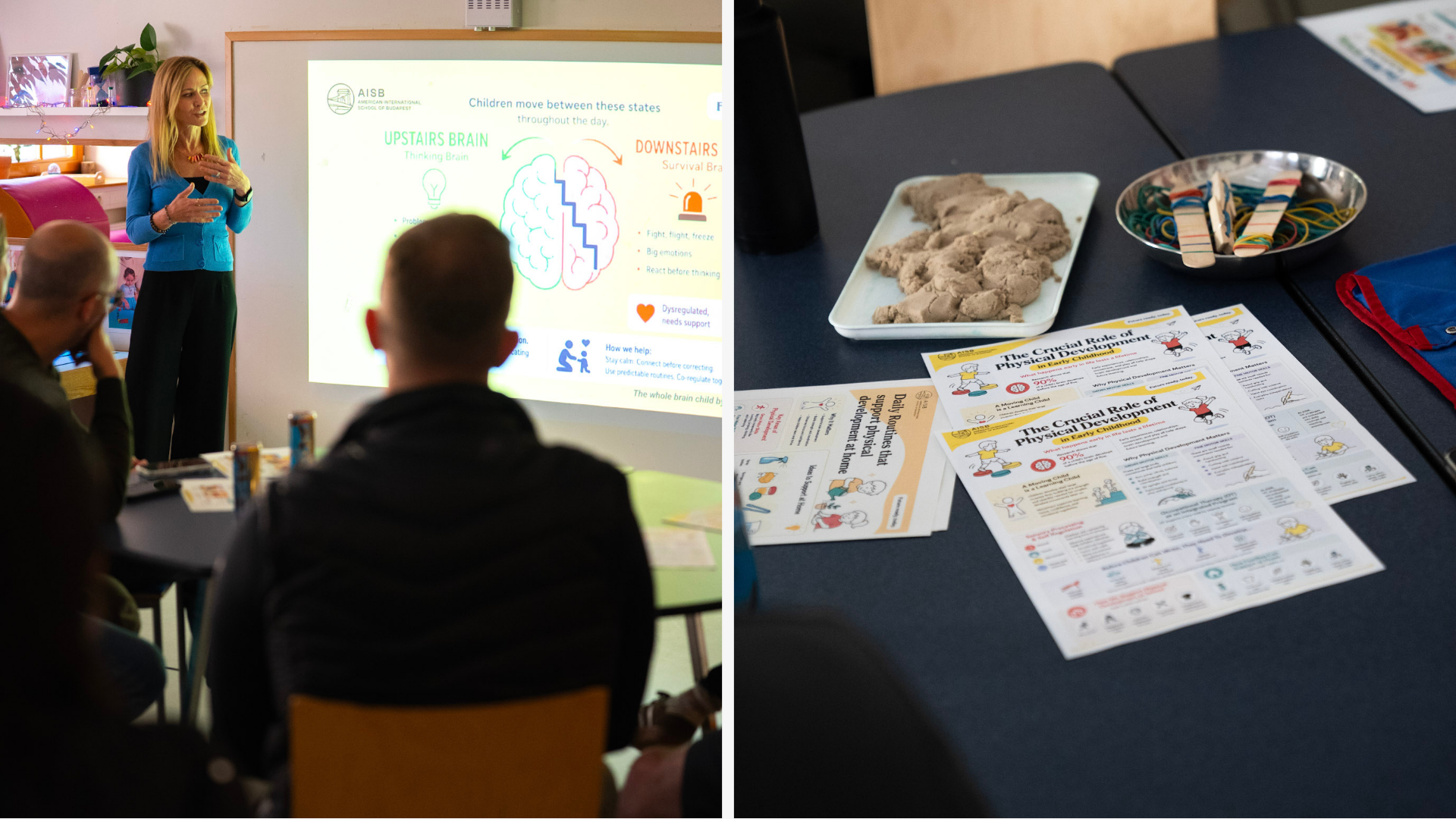
Data from Harvard University's Center on the Developing Child highlights that 90% of a child’s brain development occurs before age 5. This rapid growth is deeply shaped by everyday relationships and environments, thriving on six foundational pillars: eye contact, conversation, shared attention, reading together, co-regulation, and play.
Movement & The Brain
One of the central themes of the series was the close relationship between physical development and learning.
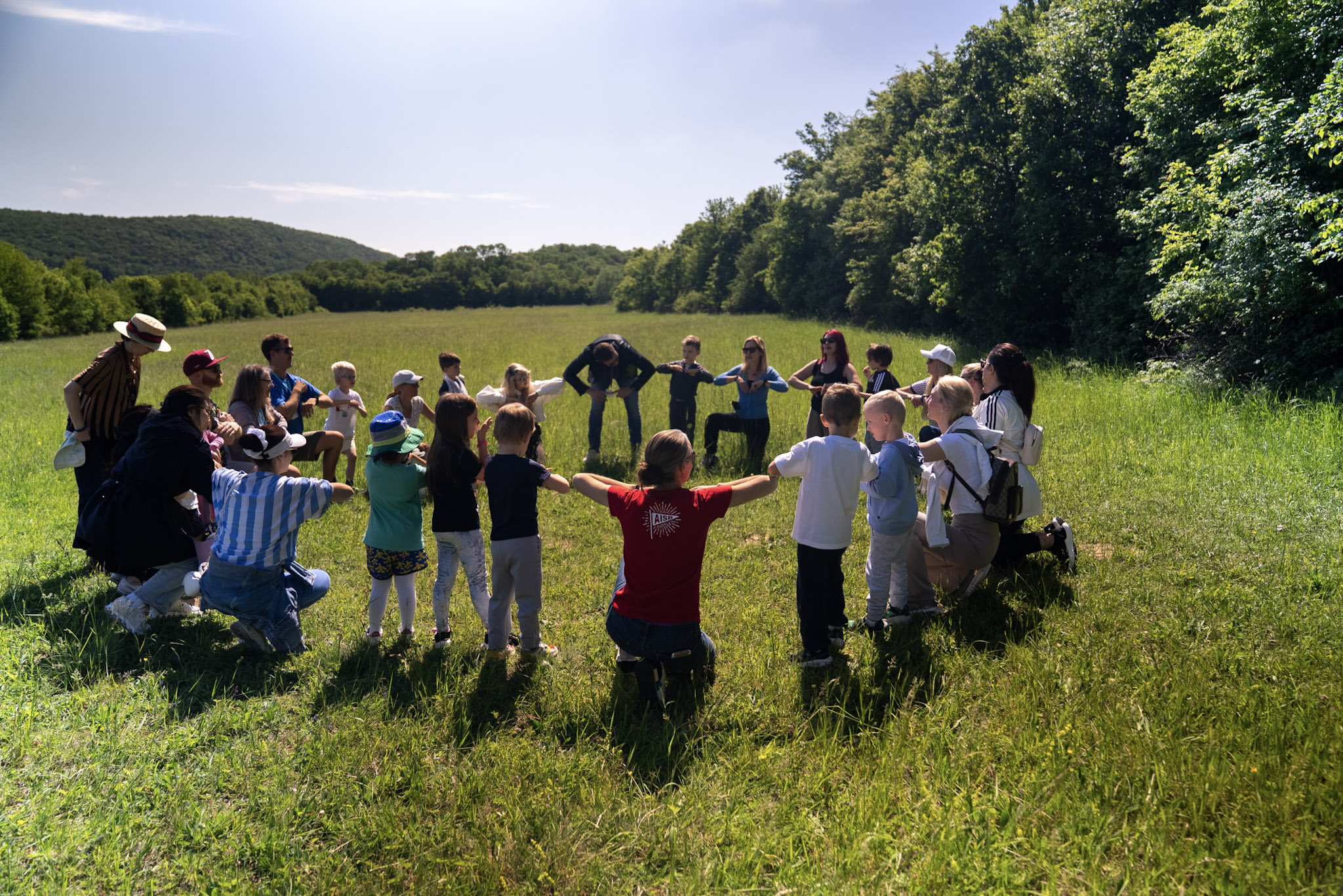
Movement supports far more than physical growth. Opportunities to climb, balance, carry, build, and explore contribute to the development of language, memory, attention, and problem-solving. Gross motor skills help children build strength and coordination, while fine motor experiences support the precision needed for writing and many daily tasks. Families also explored ways to incorporate these opportunities into everyday routines. Carrying groceries, helping prepare meals, tidying up, dressing independently, and engaging in sensory-rich play can all become meaningful moments for developing confidence, coordination, and self-regulation.
Screen Time and Growing Minds
Young children learn through movement, exploration, and human interaction. Time spent with screens naturally replaces some of these experiences, making balance an important consideration. Participants examined how the pace of digital content can influence attention and processing, and how slower narratives often align more closely with the rhythms of real-world learning and conversation. The series also highlighted ways technology can serve as a meaningful tool for creativity and reflection. Taking photographs, documenting observations, creating stories, and sharing ideas can help children use technology actively rather than passively.
Play, Partnership, and Independence
Play is often described as the work of childhood, and it formed the focus of the final session.
Children use play to make sense of their experiences, test ideas, develop theories about the world, and build social understanding. Whether through imaginative play, construction, movement, creativity, or exploration, play provides opportunities for learning that are both joyful and deeply meaningful. Families reflected on the role adults can play in supporting these experiences. Rather than directing play, children often benefit when adults observe closely, follow their interests, and create space for their ideas to unfold.
A Continuing Conversation
The Empowered Parenting Toolkit series offered an opportunity to explore research, share experiences, and reflect together on the many ways children grow and learn. While there is no single roadmap for parenting, the conversations throughout the series highlighted the importance of relationships, curiosity, play, movement, and connection. These everyday experiences continue to shape how children understand themselves, others, and the world around them.