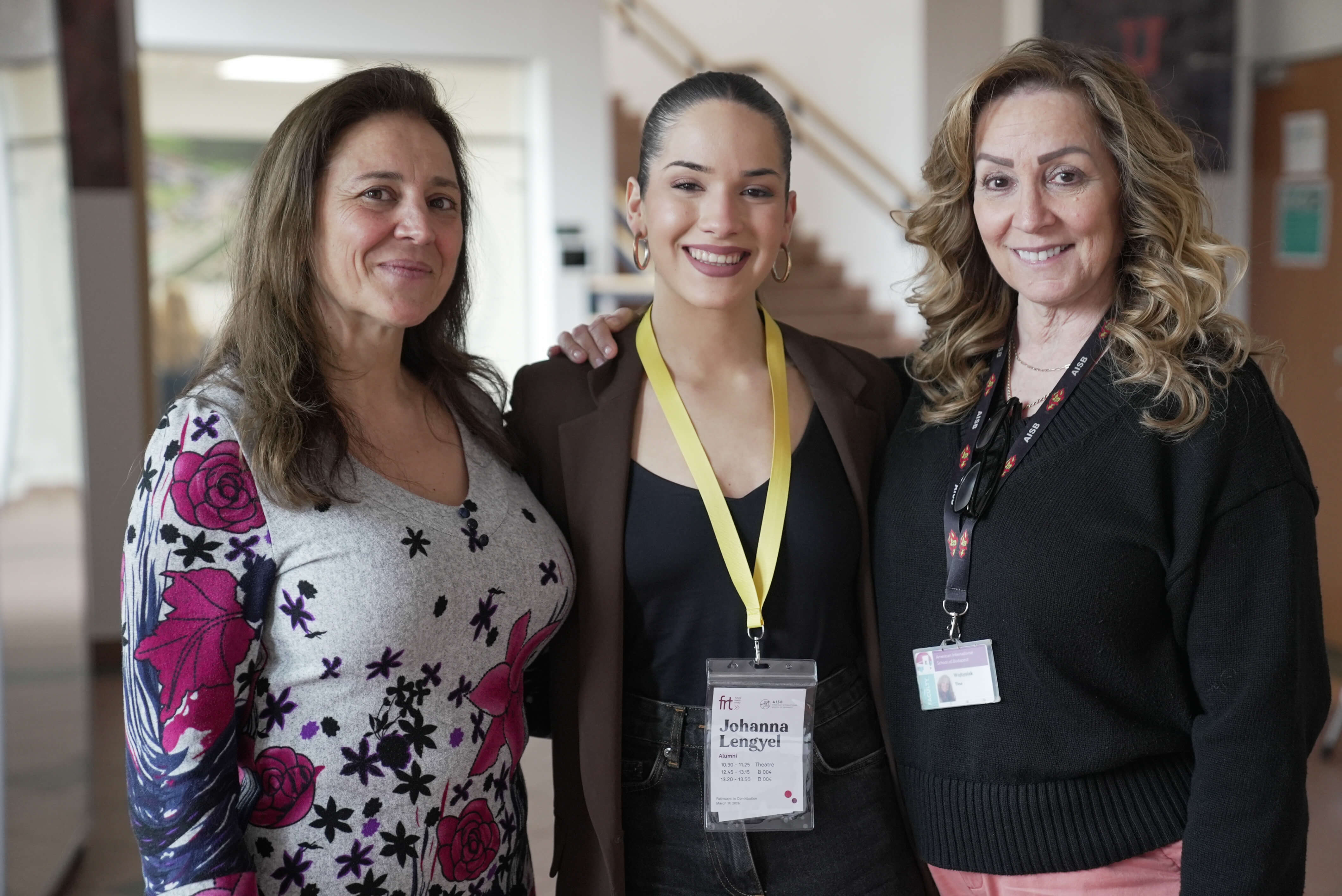
Career events feel most meaningful when they follow structures students already understand. By organising conversations around student pathways — across fields such as the arts, social sciences, business, health, and STEM — exploration becomes less overwhelming and more navigable.
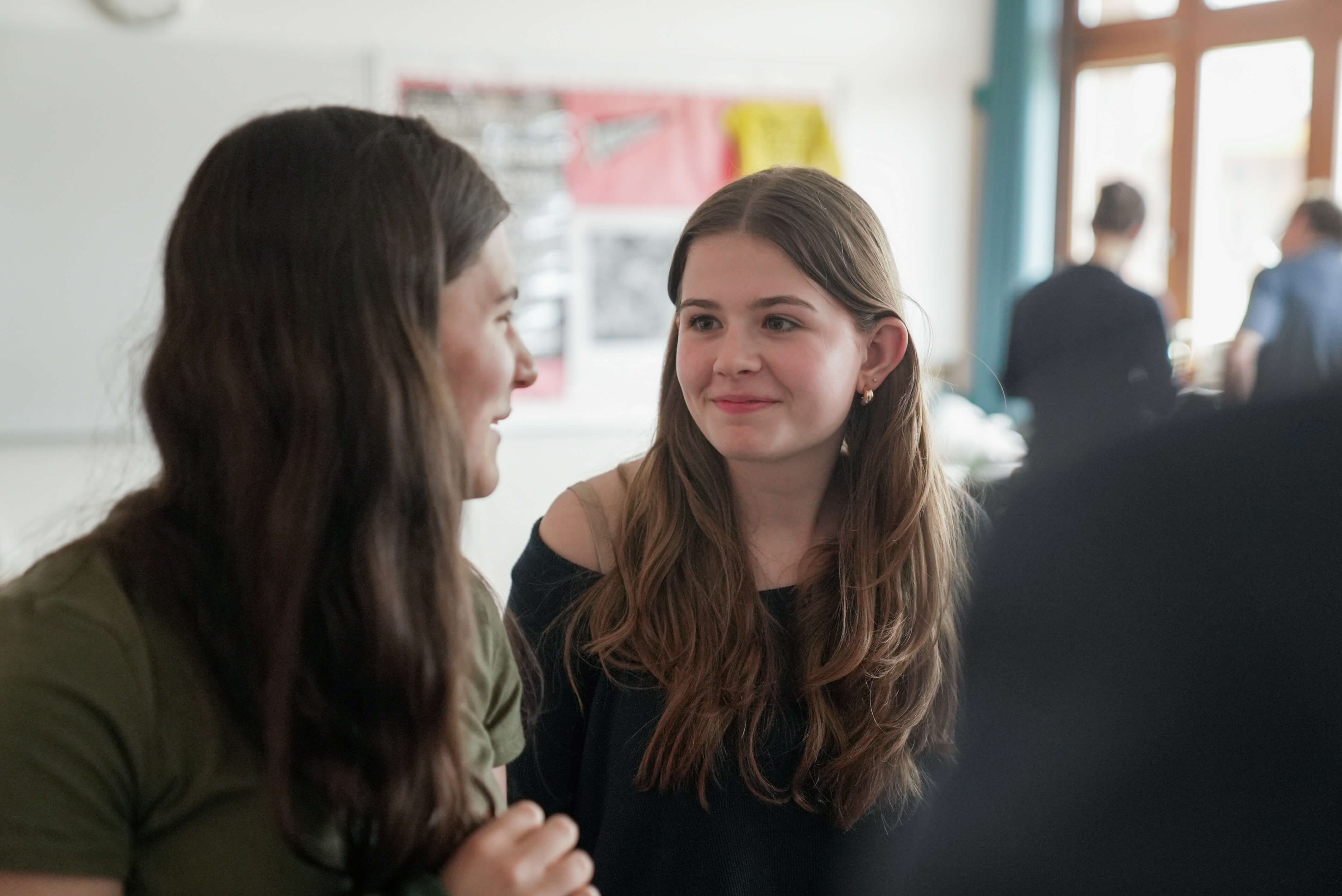
An additional layer of value comes from community. When students engage directly with parents and alumni — many of whom bring diverse international professional experiences — career learning moves beyond abstract ideas. It becomes personal, relevant, and grounded in real stories. In this environment, students begin to articulate their own interests and reflect on possible directions more clearly.
“The FRT event helped me better understand my Pathways To Contribution by showing how my strengths connect to real needs. It encouraged me to think more intentionally about how I can make a positive impact.”
“I was so fortunate to hear people share about their jobs and give us advice. I was really passionate about all the sessions I attended.”
Timeless Human Skills Still Matter
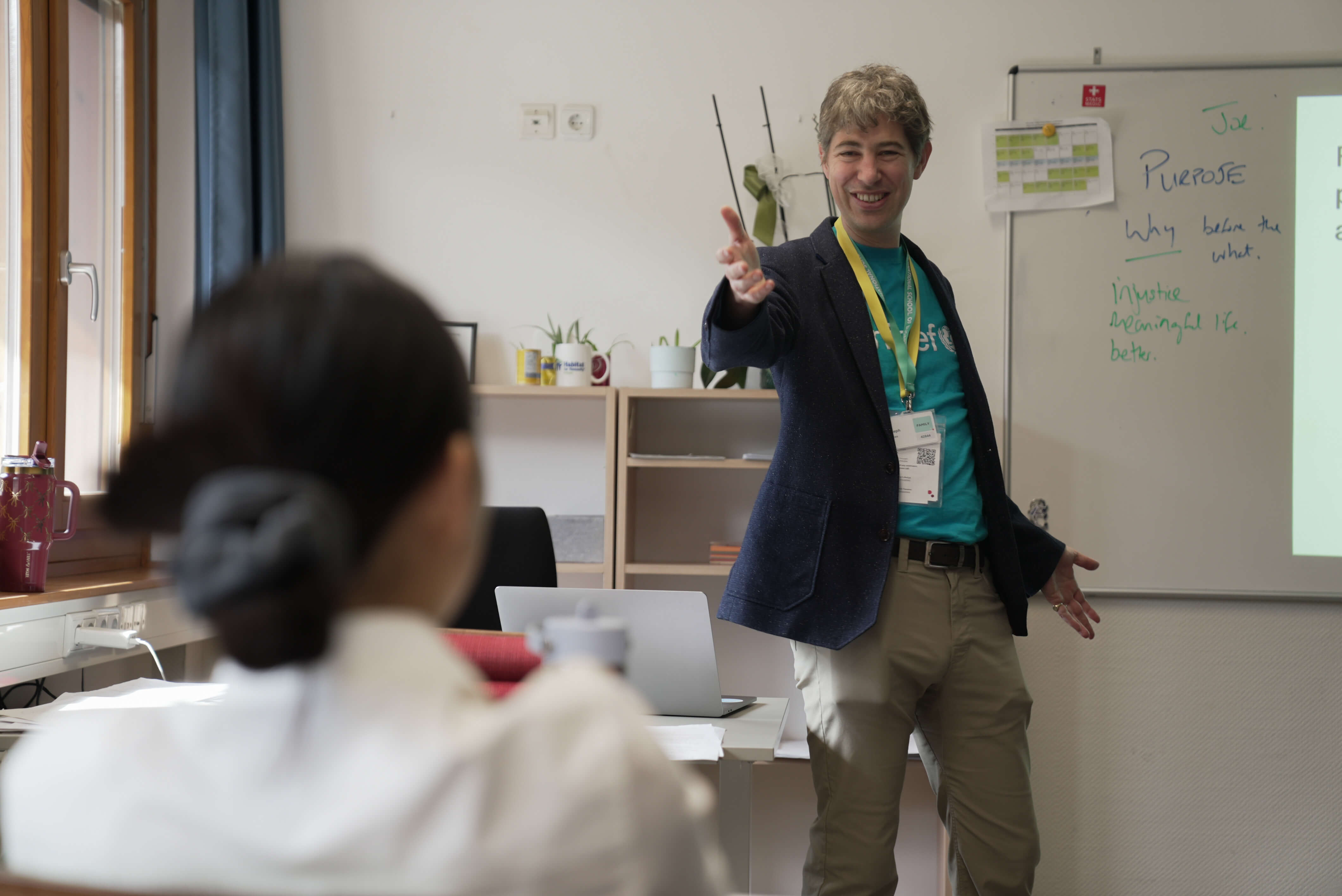
With the benefit of thoughtful dialogue and reflection, students could learn the enduring importance of foundational human skills — from making strong first impressions to building positive daily habits, communicating with confidence, and following through consistently. While industries continue to evolve, these capabilities remain central to long-term personal and professional success.
“ Today’s FRT event helped me identify concrete skills and connections I can leverage to make an immediate impact, and clarified longer-term goals for meaningful contribution. The discussions and feedback expanded my perspective on collaborative opportunities and gave me actionable next steps to pursue those pathways.”
Preparing for an AI-Shaped World of Work
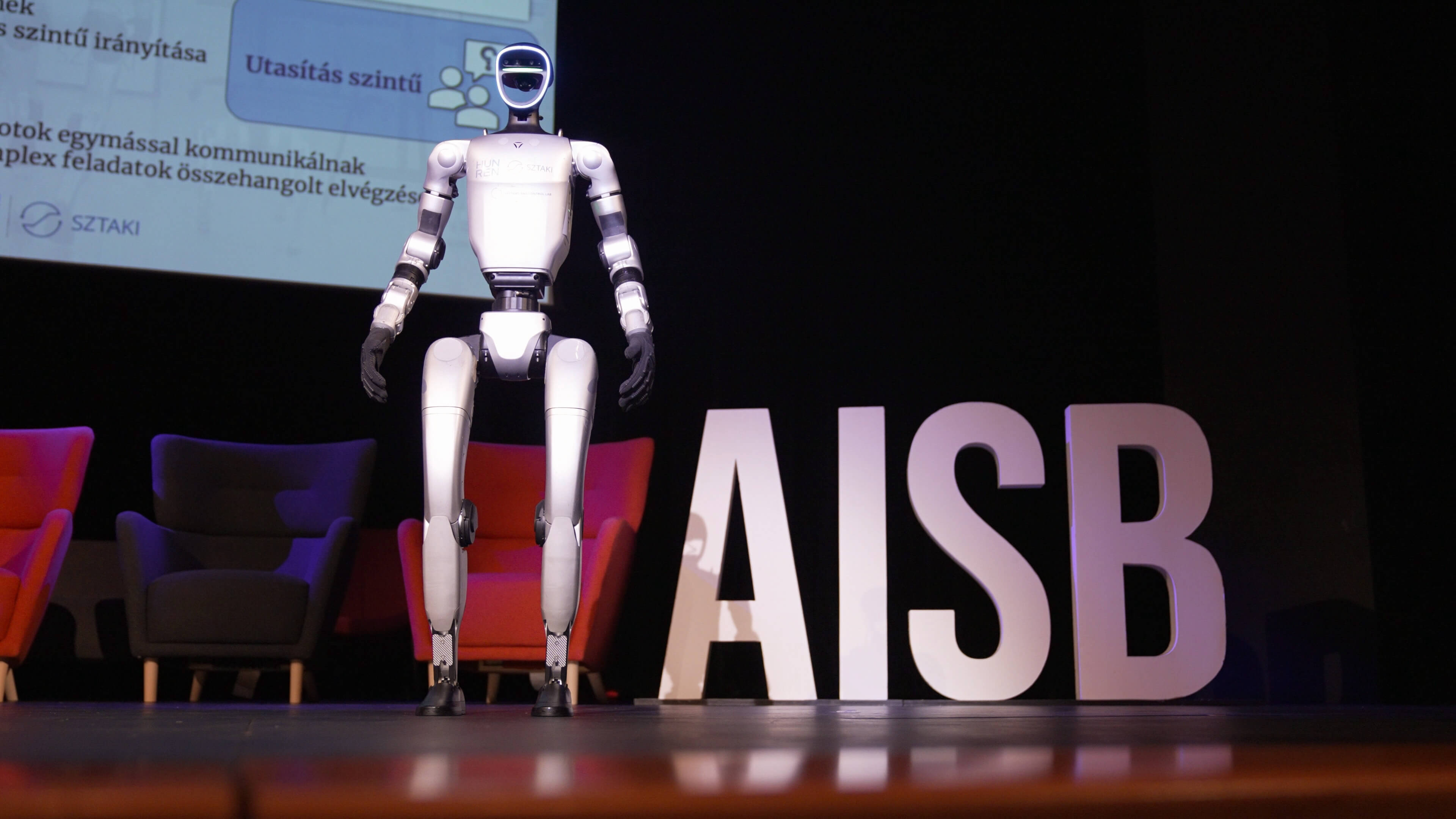
There was also strong curiosity around the technological realities defining students’ futures. Conversations about artificial intelligence sparked thoughtful questions about opportunity, responsibility, and adaptability.
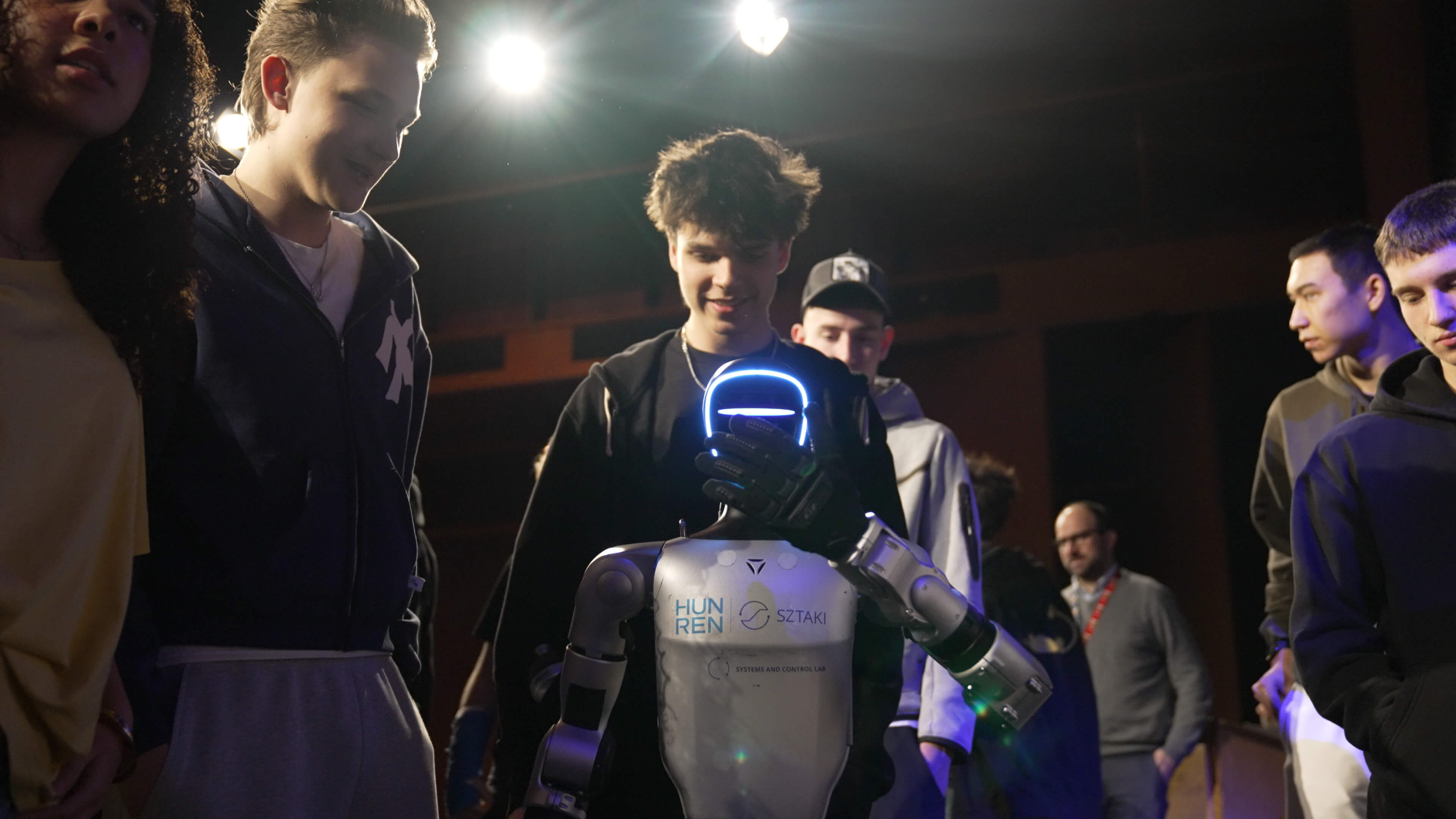
A particularly memorable moment was students’ interaction with a live humanoid robot. For many, the experience was not just fascinating — it felt intuitive. Engaging directly with advanced technology helped students understand how naturally innovation will be woven into their future learning and professional environments.
“I found this event pretty cool, as we didn't just get to know things about what companies and organizations are doing, but also what is going on behind the scenes in a lot of processes, and also how to use AI and other tools well for our advantage, without losing our mind.”
Learning as a Two-Way Exchange
What also became clear throughout the event was that these conversations were multifaceted. While students gained insight, clarity, and confidence in navigating future pathways, many presenters reflected on how energising it was to engage with curious, motivated young people. Being around students who are actively questioning their direction often invites professionals to revisit their own journeys and sense of purpose. In some cases, these interactions moved beyond inspiration into action — students who arrived with specific ambitions left with tangible opportunities to explore internships, shadowing experiences, or future collaboration.
The Often Unseen Skill: Building Community
A final takeaway — perhaps less visible, but deeply felt — was the power of community. This event came together through the dedication of faculty and staff working behind the scenes, alongside the generosity of parents and alumni who shared their professional journeys and insights.
Experiences like these model an important truth: growth is rarely an individual effort. It is shaped by the people who show up, collaborate, and support one another along the way.